When Nigeria’s national grid collapsed twice in the first two months of 2026 and has failed nearly 140 times over the past decade, fewer Nigerians are reaching for diesel generators. They‘re reaching for solar panels instead. Africa’s most populous nation is rapidly emerging as one of the world‘s fastest-growing markets for distributed solar.
According to climate think tank Ember, Nigeria imported 1,721 megawatts of photovoltaic panels in the year to June 2026 — nearly quadruple the volume from 2021 and second only to South Africa for solar imports on the continent. Sun King, the world’s largest off-grid solar equipment supplier, has seen its monthly solar kit sales in Nigeria surge from 3,000 units in 2020 to 75,000 units, a 25-fold increase in five years. Lisbon Ogunsanmi, Sun King Nigeria‘s Country Business Manager, said the company has trained at least 200 installers and operates more than 136 shops with after-sales teams across Nigeria.
“In Nigeria, solar is reaching hundreds of thousands of homes and businesses directly, rather than being concentrated in a handful of big power stations,” said Wale Aboyade, Vice President for Public Affairs at Sun King. “The fact that most of this capacity comes from distributed systems means its impact is far more widespread than in countries like South Africa, where large utility-scale plants dominate.”
Nigeria’s energy paradox is staggering. The national grid has over 12,000 megawatts of installed capacity, but actual output regularly struggles to clear 5,000 MW. Transmission bottlenecks and distribution losses shrink that further before it reaches homes. South Africa, with one-quarter of Nigeria‘s population, generates more than six times that capacity.
This shortfall has historically been filled by diesel and gasoline generators — an estimated 75 gigawatts of off-grid generation capacity, more than the national grid itself delivers. Annual spending on small gasoline generators alone stands at $12 billion, with fuel expenses accounting for 67% of the total. Approximately 90 million Nigerians — 38% of the population — have minimal power access, more than any other nation globally.
“Every collapse is a sales pitch we didn‘t have to write,” said one Lagos-based solar installer, describing how blackouts convert skeptical customers into buyers within days. With diesel prices volatile and generator maintenance costly, solar has shifted from a backup option to the primary power source for many households and businesses.
A critical feature of Nigeria’s solar growth: roughly 96% of the country‘s solar capacity sits outside the national grid — rooftop arrays, solar home systems, and mini-grids serving villages and industrial estates the grid has never reached.
This matters because off-grid projects don’t need government transmission upgrades, land acquisition fights, or utility sign-off — just a rooftop and financing. Nigeria added 3.1 gigawatts of small-scale solar in 2024 and 2025 combined, and BloombergNEF expects annual additions to climb from 2.4 GW this year to 7.8 GW by 2030.
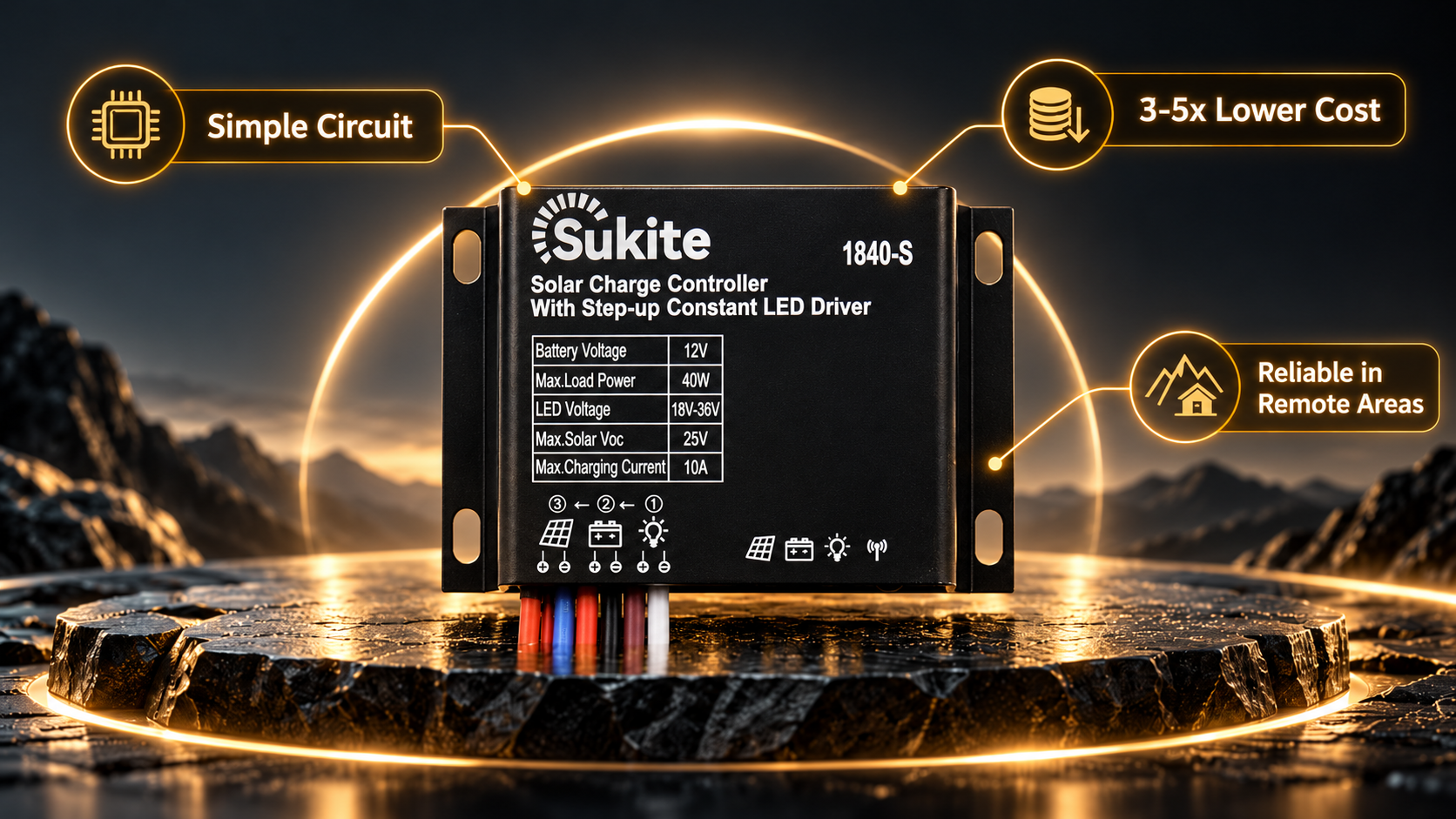
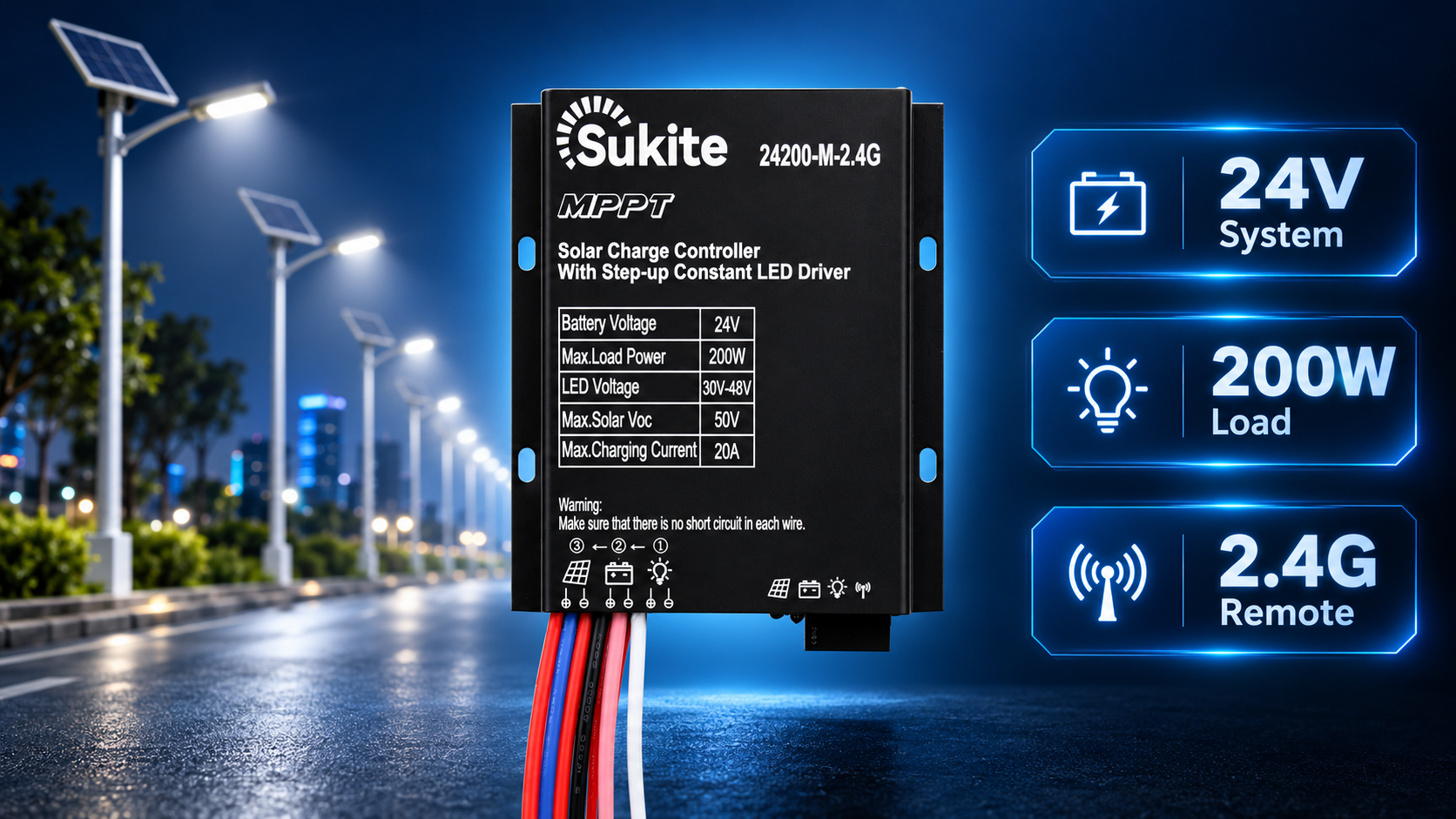
Every off-grid system — whether powering a home, a shop, or a streetlight — requires a solar charge controller to manage energy flow. The explosive growth of distributed systems translates directly into amplified controller demand.
Nigeria‘s 2023 removal of fuel subsidies drove dramatic gasoline and diesel price increases, making generator operation prohibitively expensive for many businesses and households. Business Day reported a vivid example: one merchant noted, “Our people go to bed early, like fowl, when there is no light. Now farmers visit my shop after sunset to buy soap, water, and soft drinks.”
This simple shift represents a profound economic multiplier effect. Reliable power means extended operating hours, increased income, and improved quality of life. For Nigeria’s 237 million people, the economic logic of solar is now undeniable — solar often costs less than buying diesel and waiting for a grid that may not come.
Nigeria‘s off-grid solar market is attracting large-scale international investment. In 2025, Nigeria attracted roughly $2.4 billion** in renewable energy investment, part of a broader **$13.5 billion clean-energy wave across sub-Saharan Africa.
The World Bank has endorsed a 2026–2032 Country Partnership Framework for Nigeria, backing distributed solar and private-sector investment, targeting electricity access for more than 32 million Nigerians through combined on-grid and off-grid interventions. Nigeria is negotiating an additional $1.1 billion from Japan, France, and the African Development Bank.
Sun King has signed a manufacturing agreement with Nigeria’s Rural Electrification Agency, planning a $150 million investment in local solar equipment production, with operations targeted before the end of 2026.
For solar charge controller manufacturers, Nigeria‘s explosive growth sends clear signals:
Distributed systems = massive controller demand. Unlike centralized plants, distributed systems require controllers in large quantities, albeit dispersed. 75,000 solar kits per month means at least 75,000 controller units per month — and that number is growing fast.
Core requirements: cost-effectiveness, heat tolerance, simplicity. Nigeria sits in the tropics, where high temperatures, humidity, and unstable grid conditions impose demanding requirements on controllers for wide operating temperature ranges, protection ratings, and interference resistance. At the same time, end users are highly price-sensitive and demand extreme ease of operation — “plug and play” matters more than any technical parameter.
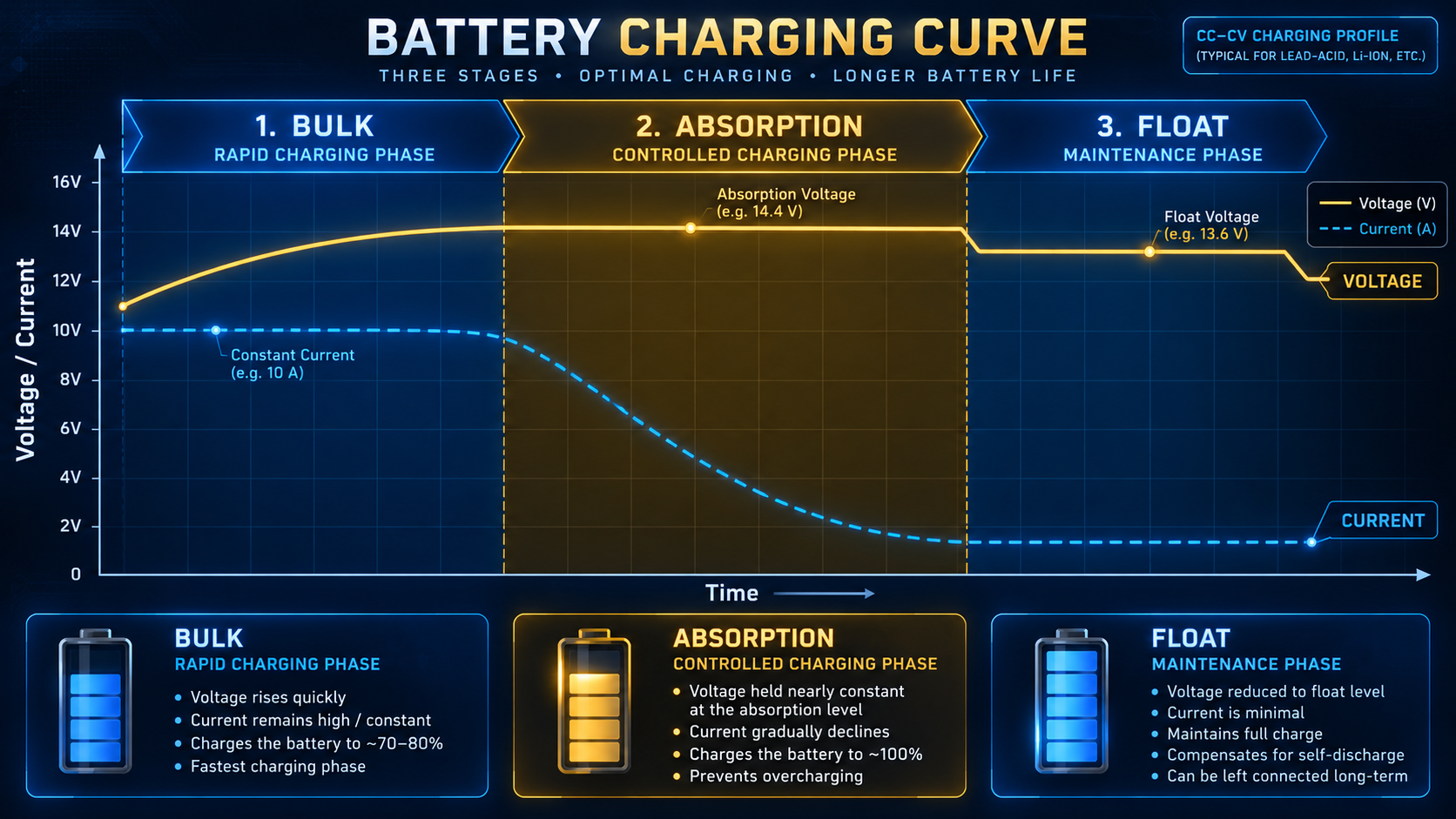
LiFePO₄ compatibility becomes standard. With the growing adoption of LiFePO₄ batteries in off-grid systems, demand for smart controllers supporting programmable charging curves and BMS communication continues to rise. Controllers lacking lithium battery charging optimization will be phased out.
PAYG financing models reshape product design logic. Sun King‘s EasyBuy pay-as-you-go model allows customers to pay in installments, meaning controller products need to support remote monitoring and remote control capabilities for management when customers miss payments. IoT functionality shifts from “value-added” to “essential.”
When the national grid collapses nearly 140 times in a decade, the market doesn’t wait for it to be fixed. Nigeria‘s solar boom is not policy-driven — it’s economic survival-driven. When diesel costs more than sunlight and the grid is less reliable than darkness, distributed solar is the only rational choice.
For controller manufacturers, Nigeria is not just a growing market — it‘s a proving ground for product reliability. Here, technical parameters matter less than this simple standard: “Plug it in, and it works — and it keeps working.”
Data Sources: Ember, BloombergNEF Sub-Saharan Africa Clean Energy Market Outlook 2026, Business Day Nigeria, World Bank, Sun King, and other publicly available research reports and news coverage.
Fill out the form below and our team will get back to you within 24 hours.
Your inquiry has been submitted successfully. Our team will contact you within 24 hours.